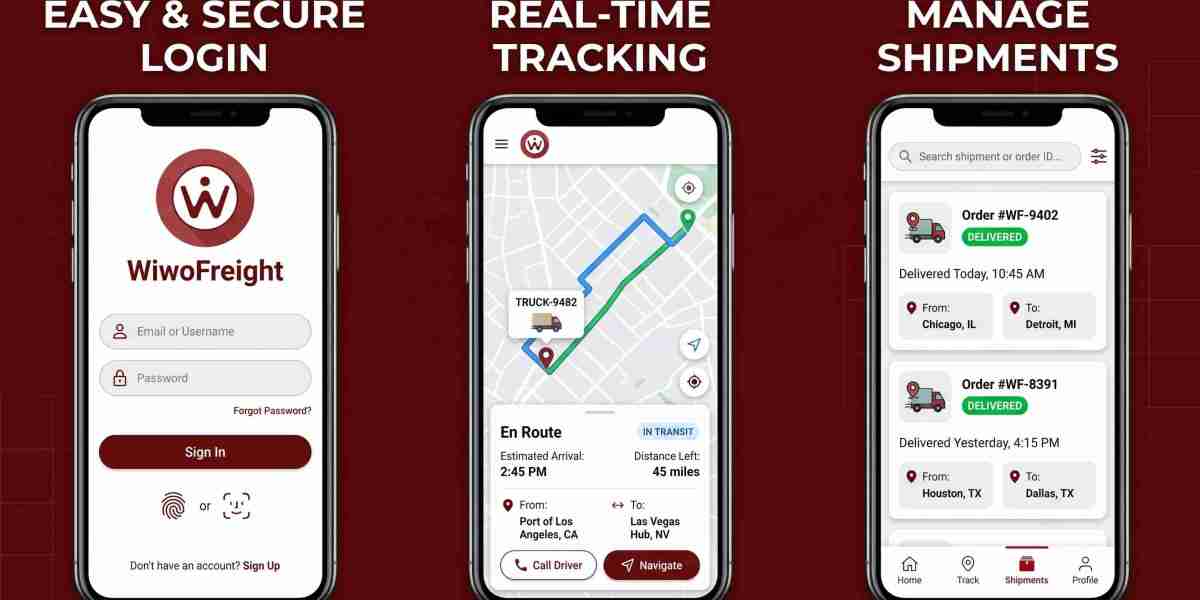

Globalization, fluctuating demand, evolving customer expectations, and digital disruption have all added layers of challenges to managing supply chains efficiently. Organizations today require robust technological solutions that can streamline operations, enhance visibility, and optimize performance.By integrating planning, execution, and analytics, SAP offers a comprehensive approach to SCM that many companies are adopting. For professionals looking to understand this deeply, enrolling in SAP SCM Training in Pune can be a valuable step toward mastering the intricacies of modern supply chain solutions.
Understanding Supply Chain Complexity
Before exploring how SAP simplifies SCM, it’s essential to understand the nature of supply chain complexities. Supply chains are no longer linear; they are dynamic networks that involve multiple stakeholders, geographies, and processes.SAP's SCM modules provide the tools needed to manage these challenges efficiently. Professionals who undertake SAP SCM Training in Pune learn how these modules work cohesively to optimize processes.
SAP Modules Tailored for SCM
SAP’s SCM suite comprises multiple modules, each designed to handle specific aspects of the supply chain. SAP's integrated platform ensures that data flows seamlessly across these modules, eliminating silos and enabling real-time decision-making. This integration is critical for organizations aiming to maintain agility and efficiency in their supply chains. By enrolling in SAP SCM Training in Pune, professionals gain hands-on knowledge of these modules and learn how to leverage them for maximum impact.
Enhanced Visibility and Real-Time Analytics
One of the most significant challenges in SCM is the lack of visibility across the supply chain. Without timely and accurate information, companies struggle to respond to disruptions, forecast demand accurately, or optimize inventory levels. SAP addresses this challenge through its real-time analytics capabilities.This level of insight reduces operational risks and enhances overall supply chain efficiency. Professionals pursuing SAP SCM Training in Pune gain expertise in interpreting these analytics and using them to drive informed decision-making.
Streamlining Procurement and Supplier Management
Procurement and supplier management are critical components of any supply chain, yet they are often riddled with inefficiencies. Traditional procurement processes involve extensive paperwork, manual approvals, and delayed communications. SAP simplifies these processes through automation and integration. SAP Supplier Relationship Management (SRM) and SAP Ariba solutions enable organizations to manage supplier contracts, track performance, and ensure timely procurement. Automated workflows reduce errors and accelerate procurement cycles, while integrated data analytics provides insights into supplier reliability and cost efficiency. With these tools, businesses can maintain a resilient and responsive supply chain. Enrolling in SAP SCM Training in Pune equips professionals with the skills needed to optimize procurement and supplier interactions effectively.
Optimizing Production and Inventory Management
Another area where SAP excels is production and inventory management. Manufacturing processes often face challenges such as fluctuating demand, machine downtime, and inventory discrepancies. SAP’s production planning and warehouse management modules provide comprehensive solutions to address these issues. For instance, SAP Production Planning (PP) enables detailed scheduling and resource allocation, ensuring that manufacturing processes are efficient and cost-effective. Similarly, SAP EWM offers advanced tools for warehouse operations, including inventory tracking, automated picking, and real-time stock updates. By integrating these modules, companies can achieve greater accuracy, reduce waste, and optimize inventory levels. Professionals who complete SAP SCM Training in Pune gain practical skills to manage production and inventory challenges proficiently.
Improving Logistics and Distribution
Logistics and distribution are often the most visible parts of the supply chain, yet they are susceptible to delays, inefficiencies, and cost overruns. SAP provides solutions such as SAP Transportation Management (TM) and SAP Event Management (EM) to streamline these operations. SAP TM enables companies to plan, execute, and monitor transportation processes efficiently, while SAP EM provides real-time alerts and performance tracking across the logistics network. These tools enhance visibility, reduce delays, and improve customer satisfaction. By leveraging SAP’s capabilities, companies can ensure that products move seamlessly from suppliers to end customers. Professionals trained in SAP SCM Training in Pune develop the ability to implement these solutions and optimize logistics processes effectively.
Facilitating Collaboration Across the Supply Chain
A modern supply chain is only as strong as its weakest link. Collaboration across suppliers, manufacturers, distributors, and customers is essential to maintain efficiency and responsiveness. SAP facilitates this collaboration through integrated platforms that allow real-time information sharing and joint planning. For example, SAP Supply Network Collaboration (SNC) enables organizations to work closely with suppliers on production schedules, inventory levels, and order fulfillment. This collaborative approach ensures that all stakeholders are aligned, reducing the risk of bottlenecks and inefficiencies. Professionals pursuing SAP SCM Training in Pune learn how to leverage these collaborative tools to foster stronger partnerships and streamline supply chain operations.
Leveraging Automation and AI
Automation and artificial intelligence (AI) are transforming SCM by enabling predictive insights, process optimization, and intelligent decision-making. SAP integrates AI-driven tools into its SCM suite, allowing companies to predict demand fluctuations, optimize routes, and automate repetitive tasks. For example, machine learning algorithms can analyze historical data to forecast demand trends accurately, while robotic process automation (RPA) can handle routine procurement and inventory management tasks. By adopting these technologies, companies reduce operational costs, enhance efficiency, and improve accuracy across the supply chain. SAP SCM Training in Pune provides professionals with exposure to these advanced technologies and equips them with skills to apply AI and automation effectively.
Driving Sustainability in Supply Chains
Sustainability has become a critical consideration for supply chains worldwide. Organizations are under increasing pressure to reduce carbon footprints, minimize waste, and adopt eco-friendly practices. SAP supports these goals by offering tools for sustainable supply chain management, including carbon footprint tracking, energy consumption analysis, and waste reduction initiatives. These solutions help organizations make environmentally responsible decisions while maintaining operational efficiency. Professionals who pursue SAP SCM Training in Pune gain an understanding of how SAP solutions can support sustainability initiatives, making them valuable assets in organizations committed to responsible supply chain practices.
Building Resilient Supply Chains
The ultimate goal of leveraging SAP in SCM is to build resilience. Supply chains today face numerous uncertainties, from geopolitical issues to natural disasters and market volatility. SAP’s integrated and data-driven approach allows companies to anticipate risks, respond proactively, and maintain continuity in operations. Scenario planning, predictive analytics, and real-time monitoring enable organizations to adapt quickly to disruptions and maintain customer satisfaction. Through SAP SCM Training in Pune, professionals acquire the expertise to design and manage resilient supply chains that can withstand unforeseen challenges while maintaining efficiency and competitiveness.